Automating client communication is one of the highest-value things a service business can do. But if you get the boundaries wrong, it damages relationships instead of strengthening them.
The risk of getting it wrong
Everyone has received an automated message that felt wrong. A follow-up that came too early. A reminder that ignored context. A "personal" message that was clearly generated by a system and did not account for the conversation that just happened.
In Norwegian business culture, where trust and relationships carry real weight, this kind of misstep is costly. Clients notice when communication feels mechanical, and they judge the business accordingly.
What automation should handle
The parts of client communication that benefit from automation are the structural, timing-dependent ones:
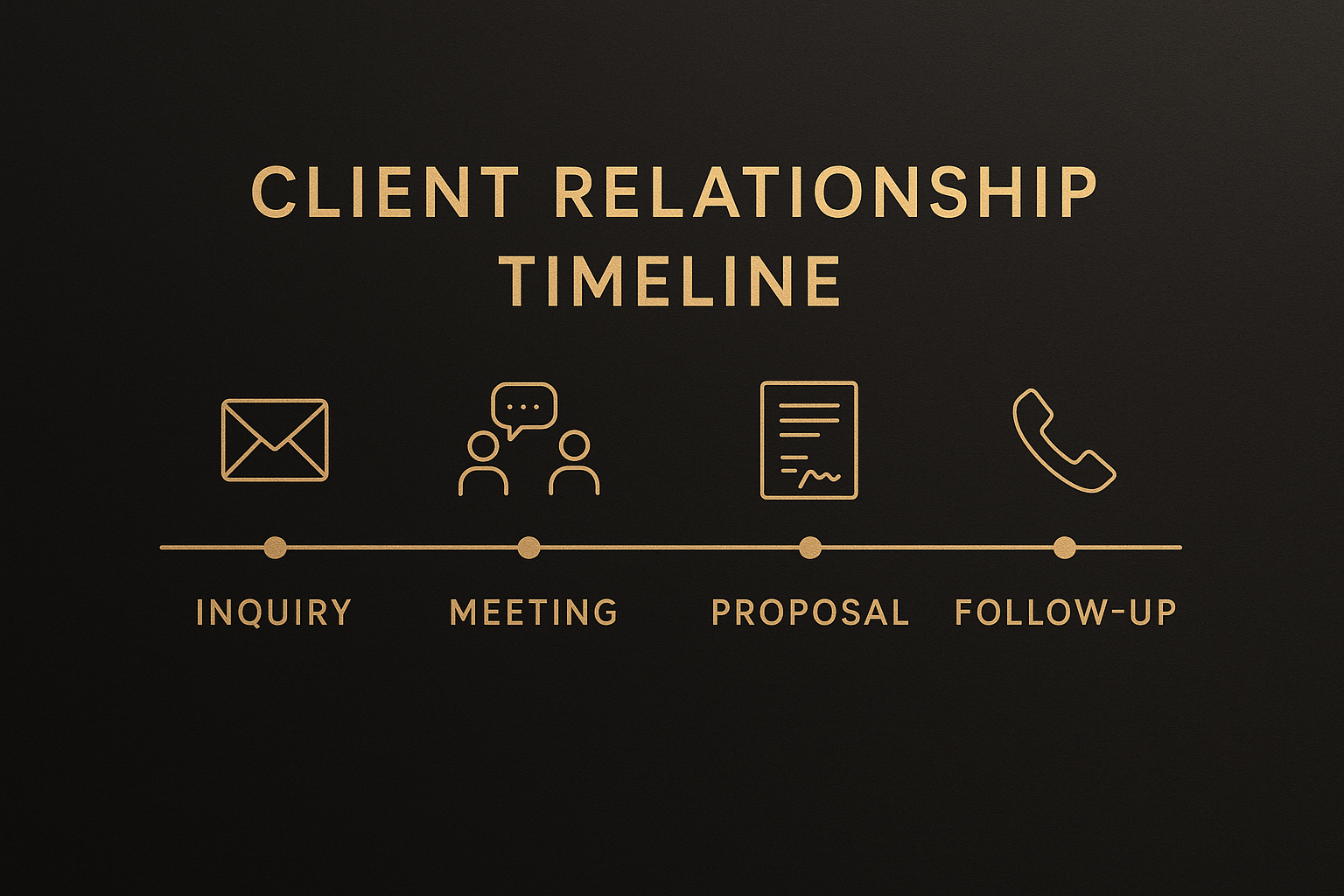
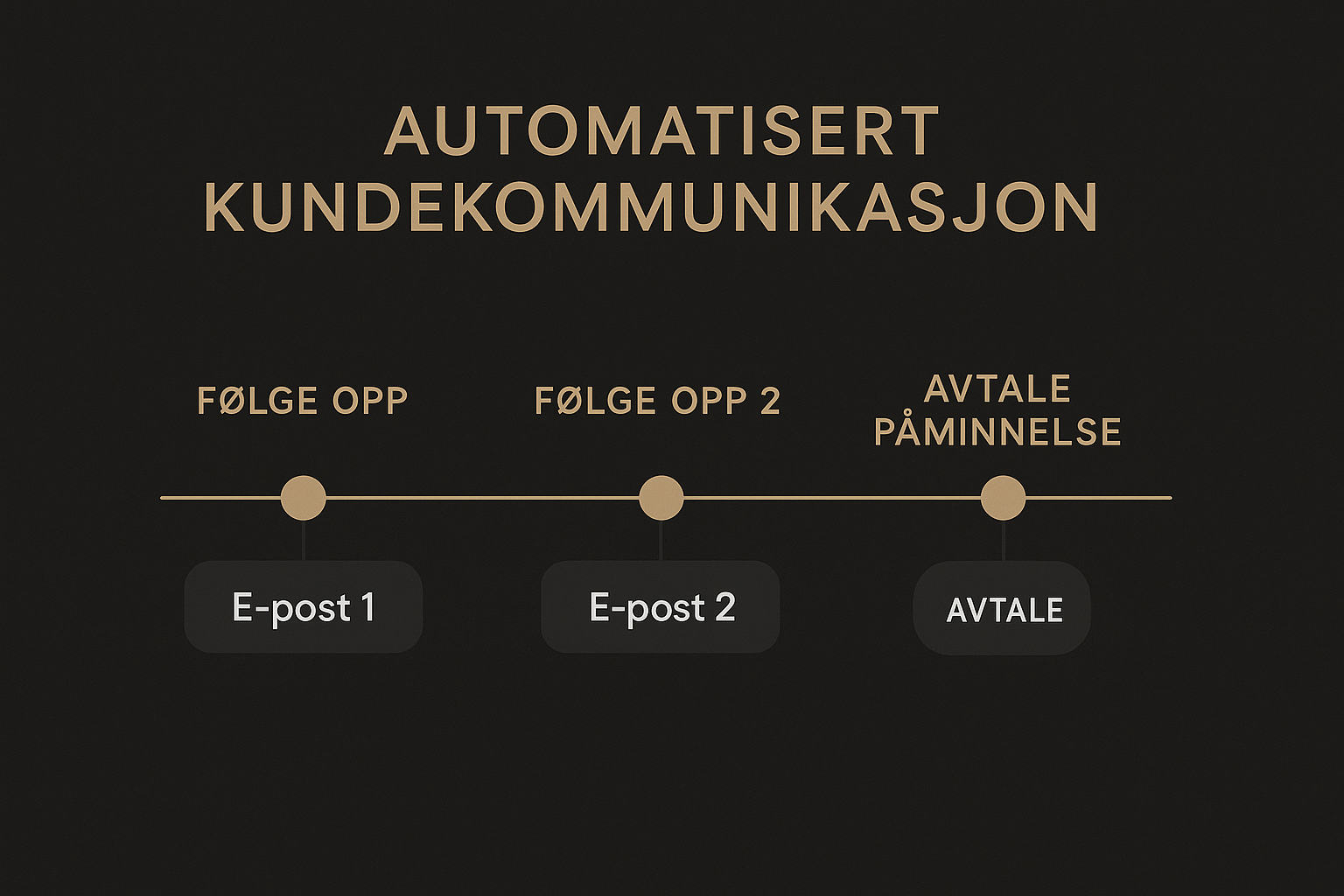
- Sequencing. Sending the right message at the right stage of a project or engagement.
- Reminders. Appointment confirmations, document requests, follow-ups on outstanding items.
- Timing. Making sure nothing falls through the cracks between touchpoints.
These are the things that get missed when a team is busy. Not because anyone is careless, but because manual follow-up does not scale.
What stays human
Tone stays human. Judgement stays human. Any communication that requires context about the specific client, their situation, or the nuance of the relationship stays human.
The boundary is straightforward: automation handles when and what gets sent. A person decides how to handle anything that requires sensitivity, interpretation, or a decision.
How KAIROS handles this
KAIROS is built around this boundary. It manages the communication workflow, the sequencing, the timing, the follow-up logic. But it does not pretend to be a person. It handles the operational layer so that the team can focus their time on the interactions that actually need a human touch.
The result is consistent communication without the robotic feel. Clients stay informed. Nothing gets missed. And the team spends their communication time where it matters most.
Before you automate
Map your client communication touchpoints. For each one, ask: does this require judgement, or is it structural? The structural ones are your automation candidates. The judgement ones stay manual. Draw the line clearly before you build anything.