
Coordinating across sites and shifts without the messaging overhead
Operations-heavy businesses with multiple sites spend too much time on coordination. Automated briefings, shift handovers, and action tracking reduce the burden.
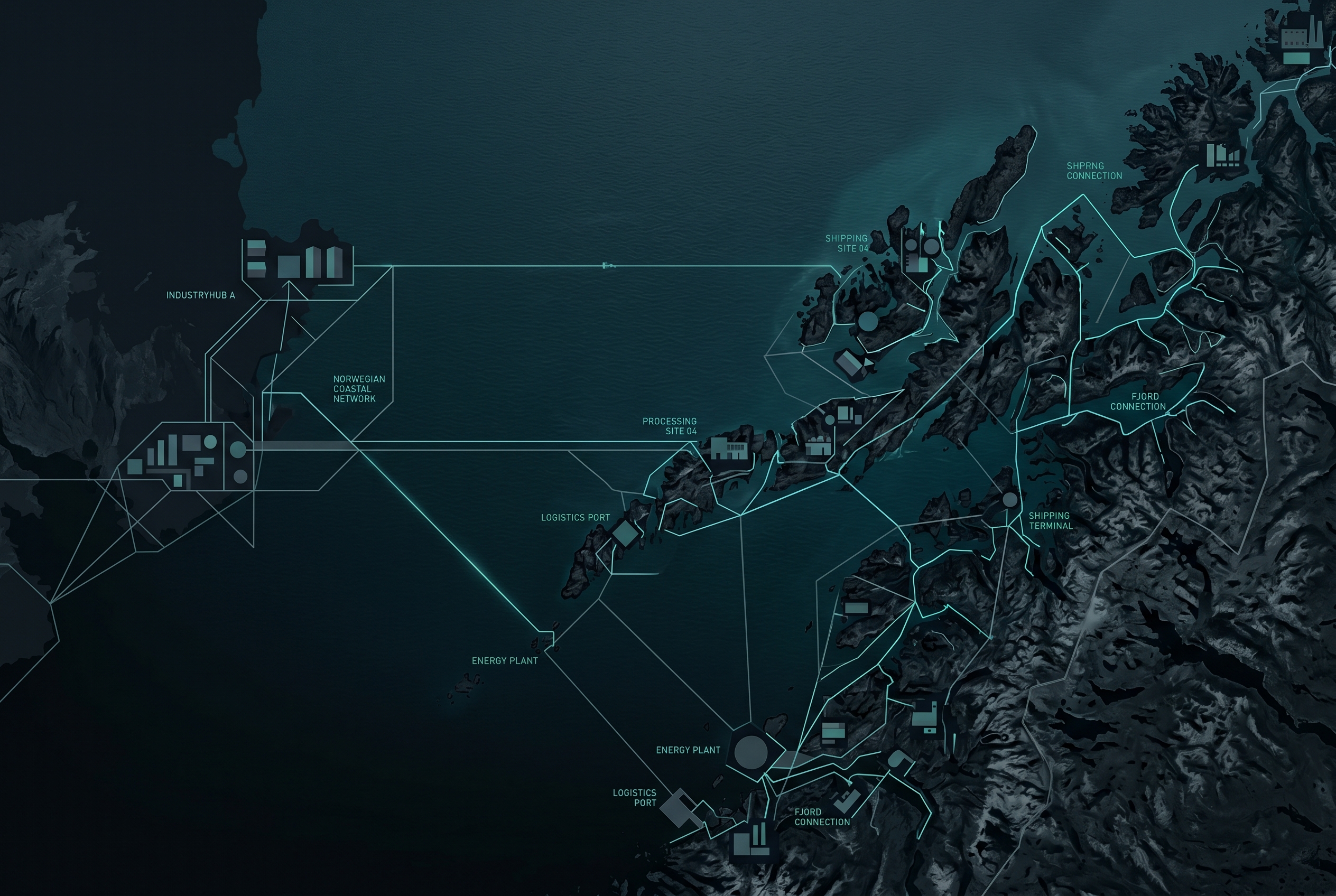
If your business runs across multiple sites or shifts, you know the problem. Getting everyone aligned takes phone calls, group chats, emails, and a lot of repetition. Most of that coordination follows a pattern, which means it can be automated.
The coordination tax
Construction firms, logistics companies, and aquaculture operators in Trøndelag deal with this daily. The morning briefing. The shift handover. The "did anyone follow up on that delivery?" message. The weekly summary that someone has to compile manually from three different systems.
None of this is complex work. But it takes time, and when it gets missed, things fall through the cracks. Missed handovers lead to repeated work, delayed responses, and frustration on both sides.
What automated coordination looks like
The goal is not to replace communication between people. It is to replace the repetitive, structural parts so that when people do communicate, it is about things that actually need discussion.
Automated shift briefings. A summary of what happened in the previous shift, generated from existing logs and systems, sent to the incoming team before they start. No one has to write it.
Action tracking. When someone flags an issue or assigns a task, it gets tracked and followed up automatically. No one has to remember to chase it.
Status updates. Instead of asking "where are we on X?", the system sends a summary at a set time. People read it when they need it.
Why this scales differently
The more sites and shifts you run, the more coordination overhead you carry. And the overhead scales faster than the operation itself, every new site adds another node in the communication network.
Automating the structural coordination keeps the overhead flat. Two sites or ten sites, the briefing still generates itself. The follow-up still happens on time. The team's communication energy goes toward the things that actually need a human decision.
Where to start
Pick the coordination task that causes the most friction. Usually it is the shift handover or the weekly summary. Build the automation around that single touchpoint. Once it works, extend to the next one.
The cost of getting this wrong is low, a bad shift briefing template gets fixed quickly. The cost of not doing it is accumulated every week in wasted coordination time.
Takeaway: Multi-site coordination overhead is a structural problem with a structural fix. Automate the briefings and handovers, and the communication that remains will actually matter.
One measured action
Pick the coordination task that causes the most friction. Usually it is the shift handover or weekly summary. Build automation around that one touchpoint first.
Working through a similar challenge?
Start a conversation →