
How to choose the first workflow to automate
Knowing where to start is the most common question before an automation pilot. A simple scoring framework helps teams move from 'we should automate something' to a specific first project.
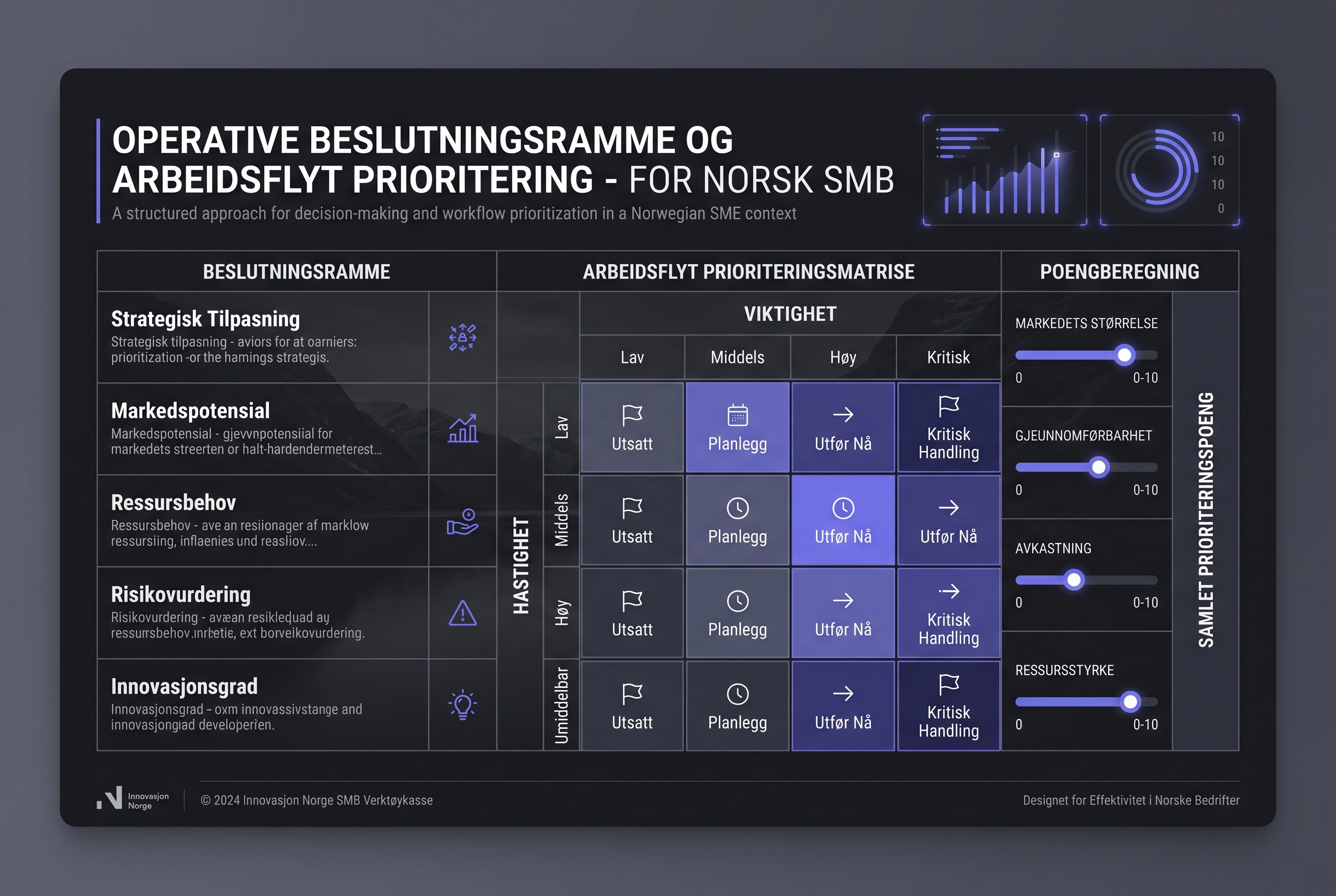
"Where should we start?" is the question we hear most often from businesses considering their first automation pilot. The answer is usually simpler than expected, but you need a way to get there without arguing about it in a meeting room.
What makes a good automation candidate
Not every workflow is a good fit. The best candidates share four characteristics:
High frequency. It happens often enough that the time savings add up. A daily task saves more than a quarterly one.
Rule-based. The steps follow a predictable pattern, if-then logic, not judgement calls.
Time-consuming. Someone is spending meaningful hours on it each week or month.
Clear output. The result is defined and measurable: a report, a notification, a document, a summary.
The scoring table
List your candidate workflows and score each one on three dimensions, from 1 (low) to 5 (high):
Frequency: How often does it happen? Daily = 5. Monthly = 2. Quarterly = 1.
Friction: How painful is it to do manually? Hours of assembly work = 5. Quick copy-paste = 1.
Output clarity: How well-defined is the result? Standard report format = 5. "It depends" = 1.
Multiply the three scores. The workflow with the highest total is your best starting point.
Common examples that score well
Weekly compliance reports. High frequency, predictable format, clear output. Often the single best first project for operational businesses.
Appointment follow-up sequences. After a meeting or consultation, a predictable set of messages need to go out. High frequency, rule-based, clear output.
Shift summaries. End-of-shift handover documents that pull from existing logs and systems.
Quote chasing. Following up on sent proposals at defined intervals. Entirely rule-based.
What does not score well
Workflows that require heavy judgement, have unpredictable inputs, or produce different outputs every time are poor automation candidates. Sales conversations, complex negotiations, and creative work are examples. These stay human.
The scoring framework is not designed to eliminate all judgement, it is designed to give you a defensible, data-based starting point that the whole team can agree on.
Takeaway: Score your top five repetitive workflows on frequency, friction, and output clarity. Multiply the scores. Start with the highest. That is your first project.
One measured action
Take 20 minutes to list your top five repetitive workflows. Score each on frequency, friction, and output clarity. The math will point you to the right starting place.
Related notes
The 5-day audit: what's actually costing your business money right now
Most owners already sense where the friction is. This five-day, self-run framework turns that instin…
Keeping clients informed without the manual effort
Service businesses lose clients not because of poor work but because of poor communication between t…
What Norwegian SMEs should know before automating client communication
Automating client communication without clear boundaries can damage relationships. Here is how to de…
Working through a similar challenge?
Start a conversation →