
The 5-day audit: what's actually costing your business money right now
Most owners already sense where the friction is. This five-day, self-run framework turns that instinct into a written map of exactly where time and money are leaking.
Notes
Short, specific notes on workflow automation, AI implementation, and operational improvement. No fluff. One clear takeaway each.

Most owners already sense where the friction is. This five-day, self-run framework turns that instinct into a written map of exactly where time and money are leaking.

Generic AI advice is written for SaaS teams and marketing agencies. If you run a 15-person operation in aquaculture, logistics, or professional services, here's what actually matters instead.

Every workaround makes sense on the day it's created. The problem is what happens next: small shortcuts compound, quietly, until the business is built on top of a pile of them.

Musculoskeletal absence in Norwegian aquaculture is one of the most consistent and least managed operational costs in the industry. The leaders who are changing that are not approaching it as a welfare question. They are approaching it as a data and systems problem with a clear financial return.

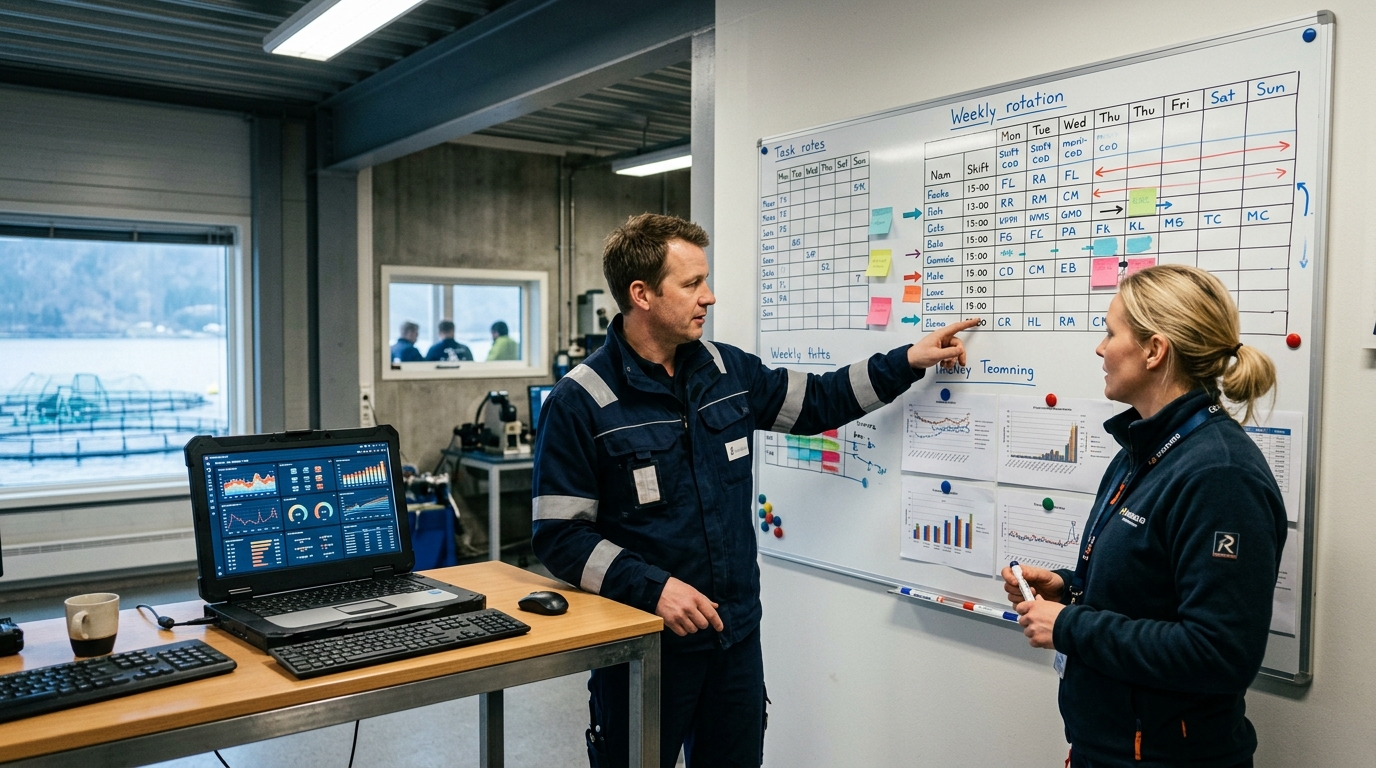
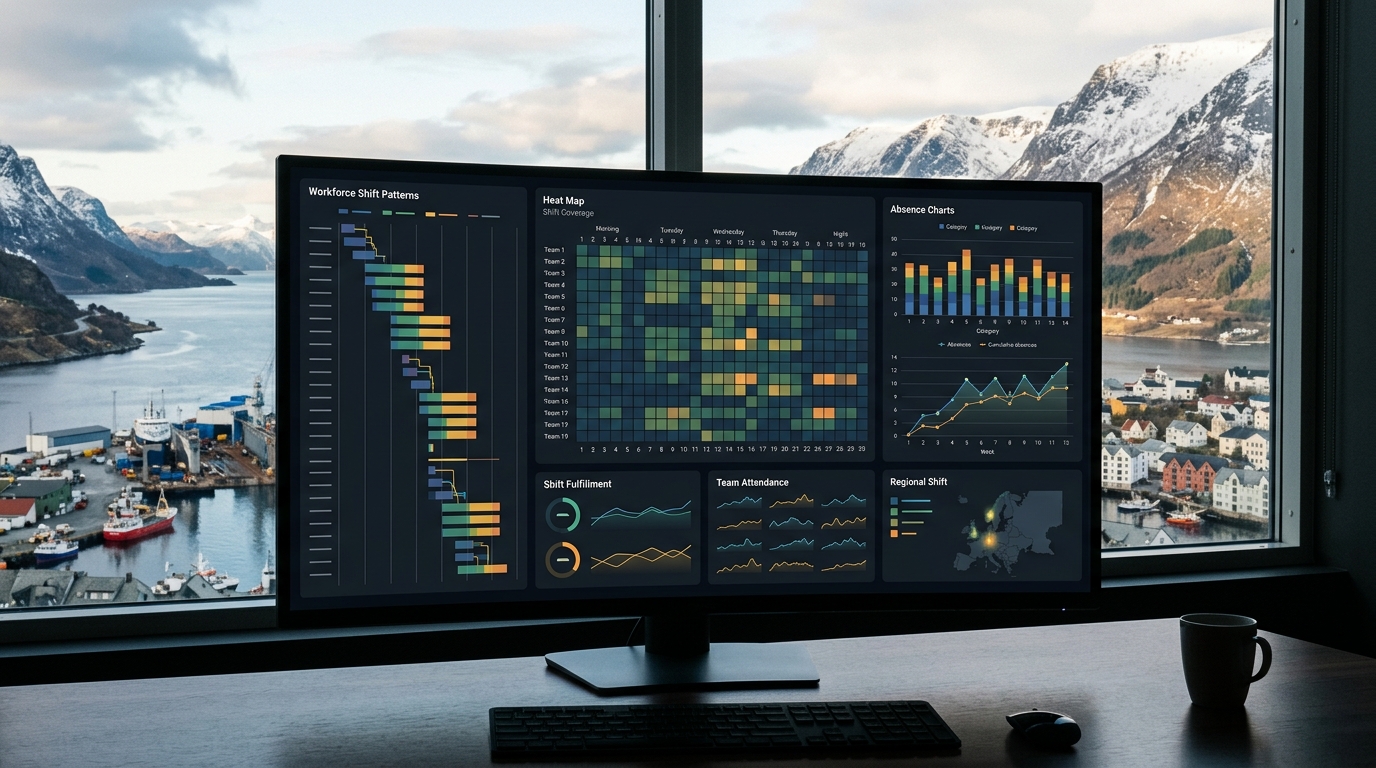
Musculoskeletal injury in Norwegian aquaculture does not arrive without warning. It leaves traces in shift allocation records, task rotation logs, and minor incident data long before the formal absence. AI can read those traces before the cost becomes unavoidable.

Shift logs, incident reports, sick leave records, and task rotation data already exist in Norwegian aquaculture operations. Most of it sits unused as operational intelligence. AI turns it into early warning signals for workforce health risk before the cost lands on the P&L.

The EU AI Act's compliance obligations land in August 2026. Most Norwegian SMEs are confused or dismissive. Here is the plain version of what you actually need to do.

The most experienced person on your team carries operational knowledge that exists nowhere else. When they leave, it does not transfer automatically. AI-assisted knowledge systems change that.

Norway's AI school restrictions have generated a lot of commentary. Most of it is irrelevant to what Norwegian businesses should be thinking about. These are two separate debates running on parallel tracks.

Compliance in Norwegian aquaculture has always been demanding. The companies getting ahead of it are not hiring more compliance staff. They are building systems that surface the right information at the right time.

Staying put feels safe. For most Norwegian SMEs, not deciding on AI is not a neutral position. It is a compounding cost that grows quieter with every quarter that passes.

Most Norwegian SMEs operate on gut feel about who their best clients actually are. The buyer picture is not a persona document - it is structured knowledge that sales, content, and outreach can actually use.

Regulatory pressure on Norwegian aquaculture is rising. The real exposure is not the investigation. It is that most operations cannot produce clean, traceable data quickly when asked.

Norwegian fish farms generate significant required reporting every day. Mattilsynet compliance, biomass logs, feed data, mortality records, shift handovers. Automation changes what that costs.

Most businesses in Trøndelag that qualify for Innovasjon Norge support never apply. The barrier is not the idea — it is the documentation.

AI has moved from experimentation to operations. Norwegian SMEs understand it exists, but most are still waiting. That gap has a cost.

Service businesses lose clients not because of poor work but because of poor communication between touchpoints. Automating the communication layer fixes this.

Automating client communication without clear boundaries can damage relationships. Here is how to define what automation handles and what stays human.

Operations-heavy businesses with multiple sites spend too much time on coordination. Automated briefings, shift handovers, and action tracking reduce the burden.

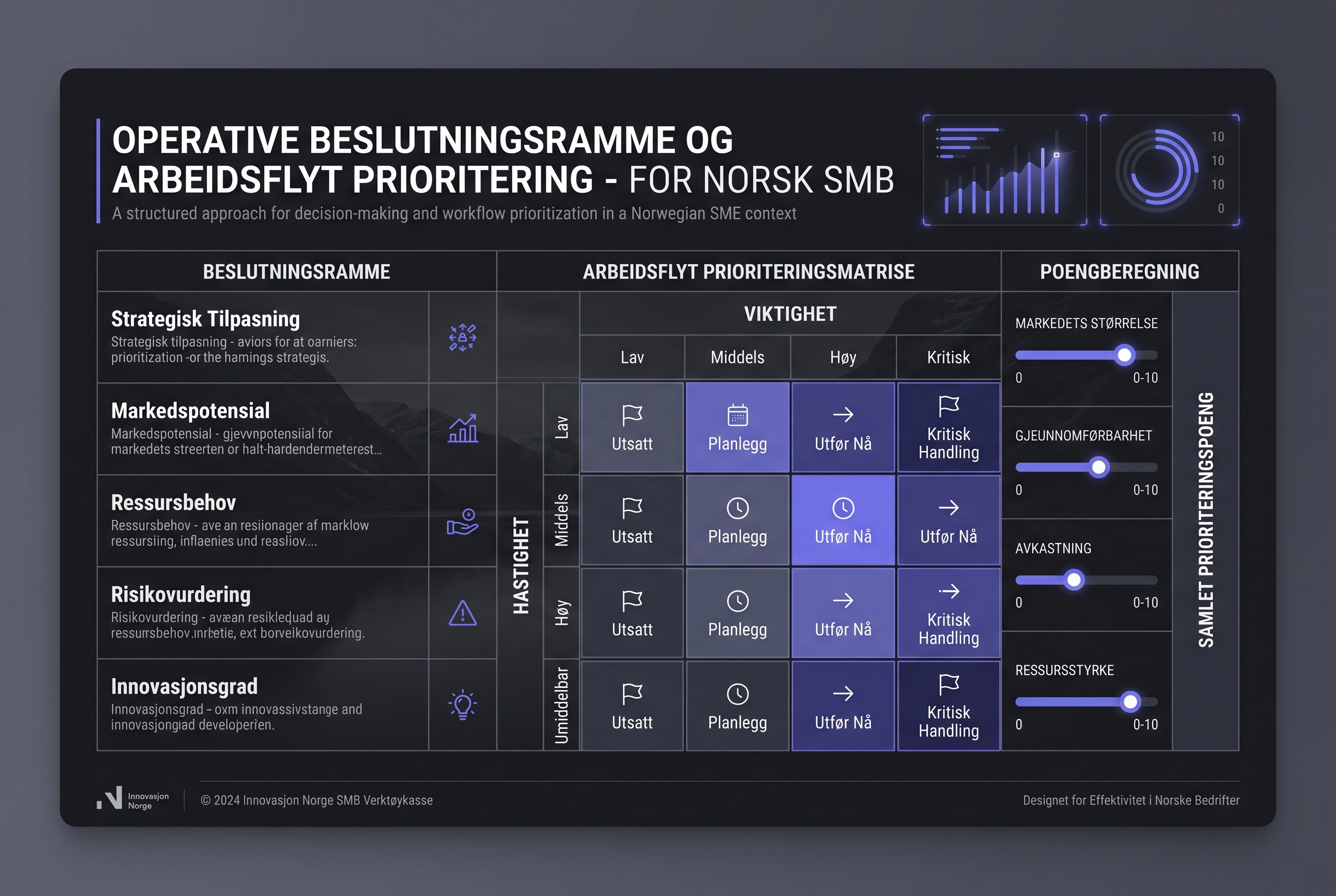
Knowing where to start is the most common question before an automation pilot. A simple scoring framework helps teams move from 'we should automate something' to a specific first project.

Most AI projects in SMEs fail not because of the technology but because of scope and expectations. Here are three common reasons and what to do instead.

Most businesses try to automate too broadly and get stuck. Here is how to pick the right first workflow and get real results from automation.

Compliance and operational reporting takes significant manual time in aquaculture. AI can draft recurring reports, flag exceptions, and send summaries automatically.

Camera feeds from fish pens and processing floors run continuously but no one can watch everything. AI can monitor for anomalies, health indicators, and equipment status.