Aquaculture reporting burden: what AI can automate
Compliance and operational reporting takes significant manual time in aquaculture. AI can draft recurring reports, flag exceptions, and send summaries automatically.
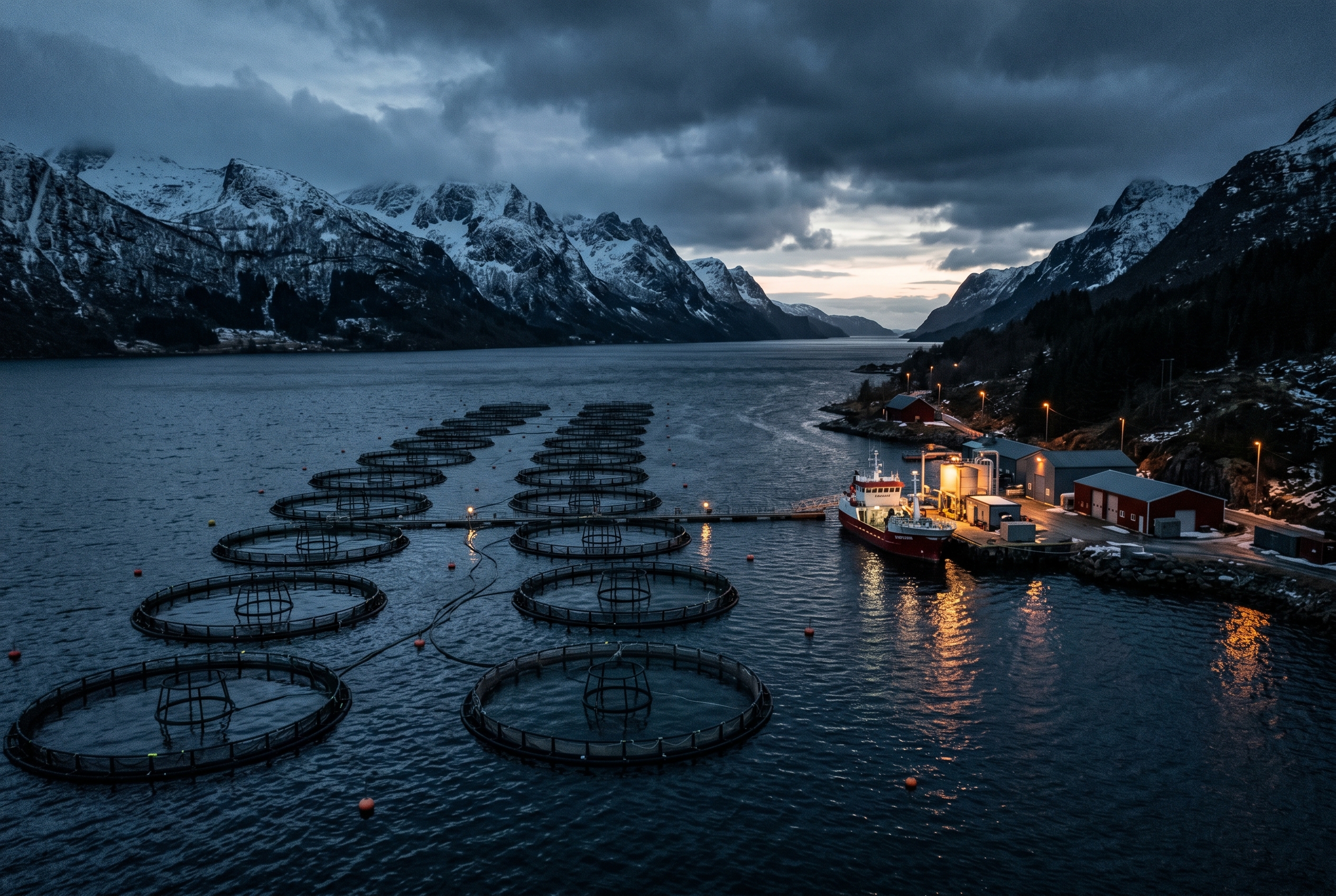
Operators in Norwegian aquaculture spend a significant chunk of their week on reporting. Compliance logs, production summaries, environmental data, incident reports. Most of it follows the same structure every time. That makes it a good candidate for automation.
The reporting load in aquaculture
Aquaculture operators in Frøya, Hitra, and across Trøndelag face a specific combination of pressures. Production runs on tight schedules. Regulatory obligations require detailed, regular documentation. And the people doing the reporting are usually the same people running operations, meaning the admin work competes directly with the actual job.
Weekly compliance reports, feeding logs, environmental monitoring summaries, lice counts, mortality records. Each one follows a predictable format. The data already exists in production systems. But someone still has to pull it together, format it, check it, and send it.
What AI can handle
The repetitive part of reporting is exactly what automation handles well:
Drafting recurring reports from existing production and environmental data, formatted to regulatory requirements. The system pulls the data, populates the template, and presents a draft for review.
Flagging exceptions that need human attention, values outside normal ranges, missing data points, anomalies that require explanation.
Sending summaries to the right people at the right time, without someone having to remember to do it manually.
This does not replace the operator's judgement. It replaces the assembly work. The operator still reviews, approves, and signs off. But the hours spent pulling data into a template and formatting it can be reduced to minutes.
What stays human
Judgement calls stay human. Regulatory sign-off stays human. Anything that requires operational context, like interpreting why a reading was unusual or deciding how to respond to an incident, stays human.
The goal is not to remove people from the process. The goal is to remove the manual, repetitive preparation that keeps people from the work that actually requires their expertise.
Getting started
The practical first step is to pick one report. The one that takes the most time, follows the most predictable structure, and draws from data you already collect. Build the automation around that single report. Measure the time saved. Then decide whether to extend it to the next one.
Starting with one report also lets you test the output quality before you commit to a broader system. If the draft quality is not good enough, you know it after the first report, not after six months of investment.
Takeaway: Aquaculture reporting is high-frequency, predictable-format, and data-rich, exactly what automation handles best. Start with one report, measure the hours saved, and compound from there.
One measured action
Pick one report. The one that takes the most time and follows the most predictable structure. Build the automation around that single report first.
See also
Related notes
What the EU AI Act Actually Requires From Norwegian Aquaculture Operators
The EU AI Act doesn't have an "aquaculture" section, but Norwegian operators using sea lice detectio…
The Operational Cost Your P&L Does Not Show: Why Norwegian Aquaculture Leaders Are Treating Workforce Health as a Data Problem
Musculoskeletal absence in Norwegian aquaculture is one of the most consistent and least managed ope…
From Shift Patterns to Safety Risk: Using AI to Get Ahead of Workforce Injury in Norwegian Aquaculture
Musculoskeletal injury in Norwegian aquaculture does not arrive without warning. It leaves traces in…
Working through a similar challenge?
Start a conversation →